
LinkedIn Headshot AI Guide for 2026
A practical guide to LinkedIn headshot AI: likeness, lighting, trust signals, usage rights, and whether the final image earns the meeting.
Image Studio Team
Image Studio
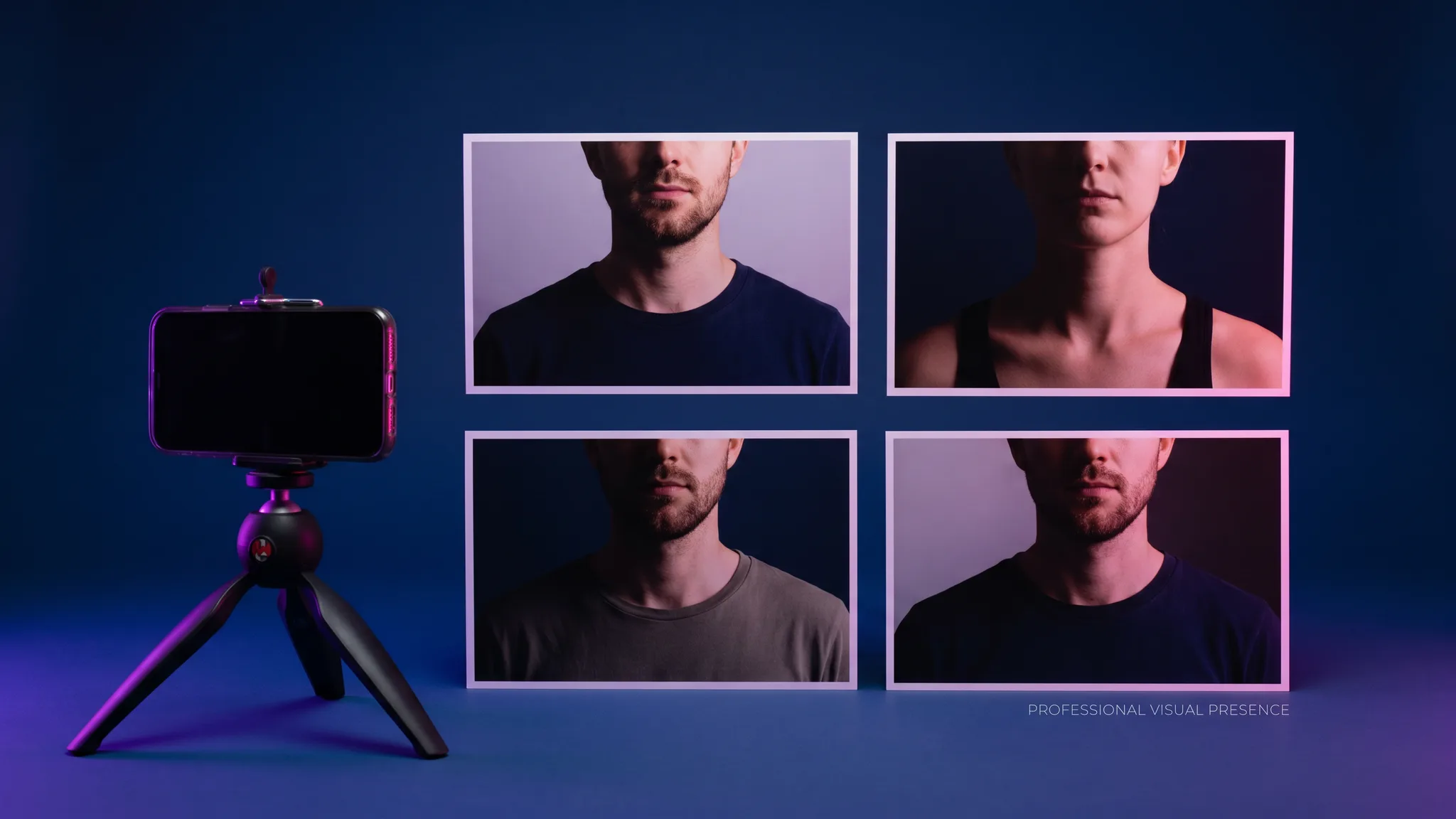
A visual either earns attention or quietly costs you the next step. No drama. A headshot, product image, or thumbnail does its work before the reader decides to read.
That makes the buying question simple: does the image help the next person trust, click, compare, or buy.
The central hook: The useful LinkedIn headshot is not the most polished image. It is the image that still looks like you when a recruiter checks twice.
If you want the surrounding context, read this related guide, this related guide, and this related guide. Those pieces handle the adjacent questions. This one is narrower: what to choose, what to ignore, and what evidence matters now.
Most category pages make the same mistake. They rank tools by feature count. That gives you a long checklist and no decision. A better method starts with the job. What state are you in when you open the tool. What must be true five minutes later. What proof would show that it worked.
For this topic, the job is not abstract improvement. It is a concrete before and after. Before: too many choices, too much sameness, or too little proof. After: one clearer action. That is why the strongest products in this lane feel almost quiet. They remove the extra work around the work.
The first filter is speed to a usable result. Not speed to a blank output. Not speed to a dashboard. Speed to something you can trust enough to use. The second filter is specificity. Generic output creates a second editing job. Specific output reduces the job you already had.
A useful tool in 2026 has three layers. First, it captures the situation with enough context to avoid template output. Second, it produces a result in the format the user actually needs. Third, it leaves behind evidence: a source, a screenshot, a score, a visible before and after, or a clear reason for the recommendation.
That evidence layer matters because every category is filling with plausible output. Plausible is cheap. Defensible is not. The buyer should ask: can I explain why this result is better, or am I just reacting to polish. If the answer is only polish, keep looking.
The strongest products do not ask you to adapt to their internal model. They adapt to the moment you brought them. That can mean a focus reset sized to the time you have, a draft shaped around your actual argument, a visual variant built for one platform, or a UX finding tied to the screenshot where the issue appears.
This is also where most tools overreach. They claim to do the whole job, then hand you a bundle of generic output. The better version does less theater and more translation. It turns your input into the next artifact with fewer missing assumptions.
The difference is easy to feel. Bad output makes you start a cleanup pass immediately. Good output makes you evaluate. You may still edit. You may still reject. But you are responding to a real proposal, not rescuing a template.
Use a simple test: would this output survive contact with the place it will be used. A focus plan must survive a calendar change. A LinkedIn post must survive a feed full of sameness. A headshot must survive a recruiter opening the profile twice. A UX audit must survive a developer asking exactly where the issue is.
That test changes what you value. You stop rewarding volume. You start rewarding constraint. The better result usually has fewer moving parts and more evidence. It does one job cleanly enough that you can move.
Score the tool on five questions. Does it understand the situation. Does it produce the format you need. Does it show evidence. Does it reduce editing time. Does it keep the result recognizable as yours.
A tool can fail one of these and still be useful for a narrow case. It cannot fail three and still deserve a daily place in your workflow. That is the line. The category has too many products that look good in demos and leave the user doing the real work after the demo ends.
The mistake is judging the image in isolation. A headshot lives beside a headline, a job title, a company logo, and a recruiter’s expectation of what a real person looks like. A product photo lives beside price, reviews, shipping copy, and competitor thumbnails. The image is not art on a wall. It is part of a decision surface.
That is why consistency matters as much as output quality. One strong image can help. Five unrelated images can make the whole brand feel improvised. Save the lighting direction. Save the crop logic. Save the background rules. The goal is not to make every asset identical; it is to make the viewer feel they came from the same operator.
Good AI image tooling should make variants, not minor duplicates. For a headshot, that means different crops and backgrounds while preserving likeness. For a product, it means marketplace-clean, social-native, and website-ready outputs. For a thumbnail, it means distinct compositions that can be tested against each other. If all variants differ only by a tiny color shift, the tool is wasting the user's decision.
The final check is simple: would you publish this without explaining how it was made. If the answer requires a disclaimer, the image is not ready. If the image looks polished, believable, and specific to the surface, the production method becomes less important than the business result.
This is especially true for small teams. A founder does not need a full creative department to look consistent, but they do need rules. What crop do we use. What background is acceptable. How much retouching is too much. Which assets are for LinkedIn, which are for product pages, which are for ads. Without those rules, every generation starts from taste again.
The better workflow saves the rules once and applies them across outputs. That makes the second image cheaper in time, not just money. It also makes review easier: the question becomes whether the new asset follows the system and does the job, not whether everyone likes it in a vacuum.
The last test is whether the tool changes the next ten minutes. Not the yearly strategy. Not the whole career. The next ten minutes. Good software makes that interval clearer. It gives the user one action, one artifact, one reason to trust the result, and one way to continue without opening six more tabs.
That is the standard this category should be held to. When a tool passes it, the user feels less residue after using it. There is less cleanup, less translation, less wondering what the output was supposed to mean. The work is still yours. The path to the next piece is shorter.
There is no need to overcomplicate the trial. Pick one real input and run it from start to finish. Do not use the example prompt the vendor provides. Do not judge only the first impression. Ask whether the output survives the place where it will be used, and whether the evidence is strong enough that another person on the team could make the same decision without you narrating it.
Image Studio belongs where the output has to be used in public: headshots, product photos, thumbnails, covers, and brand assets. The point is not more images. The point is the right image for the surface where it has to work.
The practical buying move is to run one real case. Not a sample prompt. Not a vendor demo. Use the messy input you actually have. The overloaded morning. The half-formed post. The phone photo. The staging page with a button you have stopped seeing.
Then judge the result by the artifact. If it gives you a clearer next action, keep it. If it gives you a prettier version of the same uncertainty, pass.
Related Articles
AI Headshots: What They Cost, How They Work, and When to Use Them
AI headshots are professional portraits generated by AI from your selfies. They cost $25-75 vs $475-1950+ for a photographer. Here's how they work and when to use them.
AI Headshots vs Photographer: The Real Cost Comparison for 2026
Compare AI headshots vs photographers on cost, quality, and time in 2026. See the real pricing math and when each option makes sense.
AI Headshots for Startup Founders Raising Capital
How professional headshots impact investor first impressions and fundraising success. Data-backed insights for founders preparing to pitch.
Ready to create images that convert?
Generate headshots, thumbnails, and covers that stay on brand—no photo shoots or design rounds.
Launch Image Studio